

Species Management Programs: Managing Nesting Birds on Communication Towers
Need to maintain a communication tower with nesting birds? You may require an approved Species Management Program before work can begin.
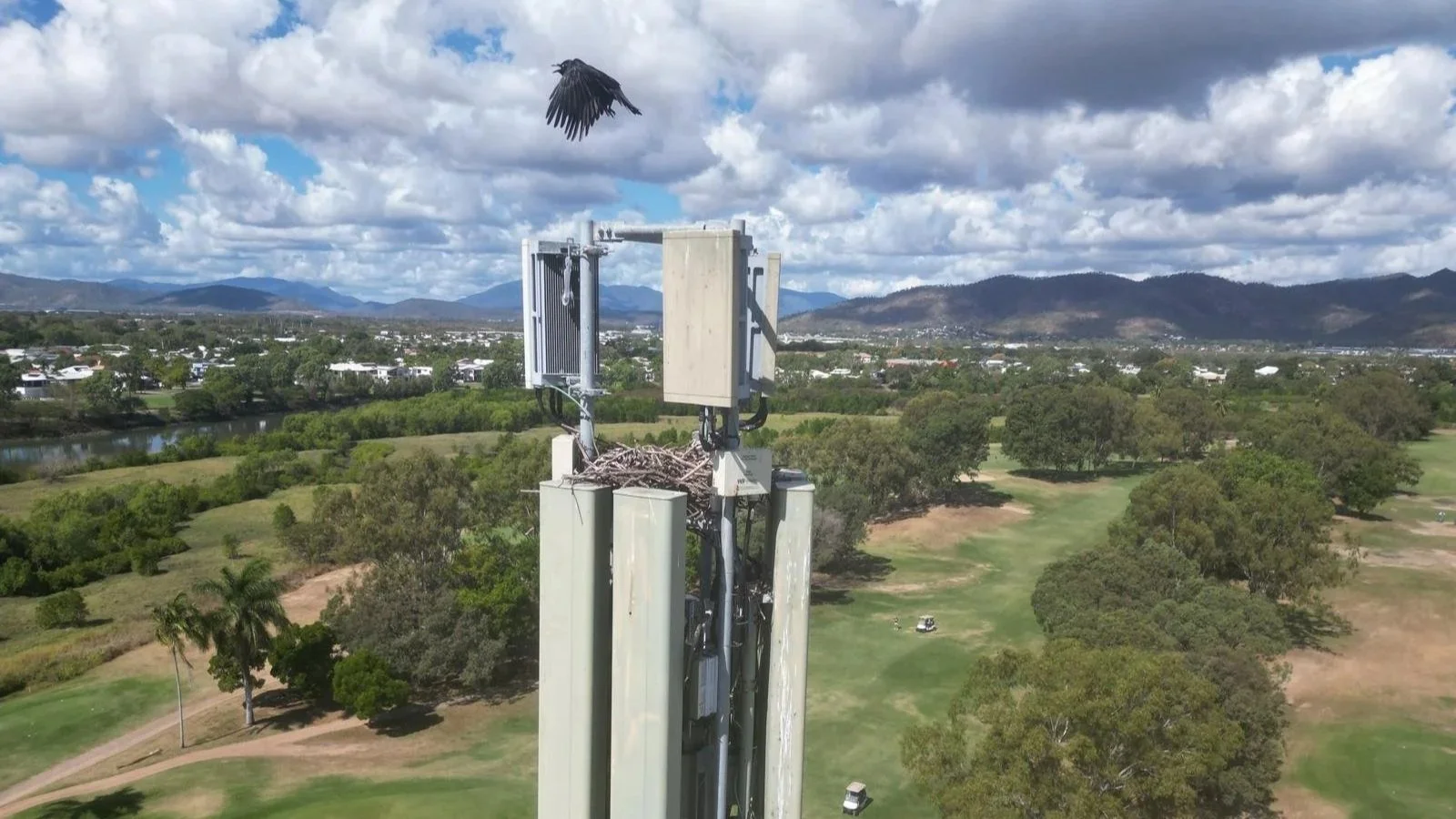
When it comes to communication towers, birds, especially Eastern Ospreys, Torresian Crows, and Australian Magpies, love to nest in them as they are exposed, and they can see predators coming. However, maintenance of the tower then requires a Species Management Program (SMP), which will impose certain conditions around interfering with the nests, such as waiting for the nest to become inactive before removal or relocation of the nest for maintenance works to take place.
An SMP is an approved document that outlines how impacts to the breeding places of protected animals will be managed. It sets out the requirements for managing, monitoring, and reporting on these impacts.
An SMP:
assesses the risks to animal breeding places from planned activities;
includes impact management actions to avoid or reduce harm to breeding places;
sets rules for monitoring and reporting to ensure these actions are effective.
When an SMP is approved, you are able to:
tamper with a protected animal breeding place;
implement actions to reduce immediate and long-term impacts on animal breeding places;
monitor and report on the effectiveness of these actions.
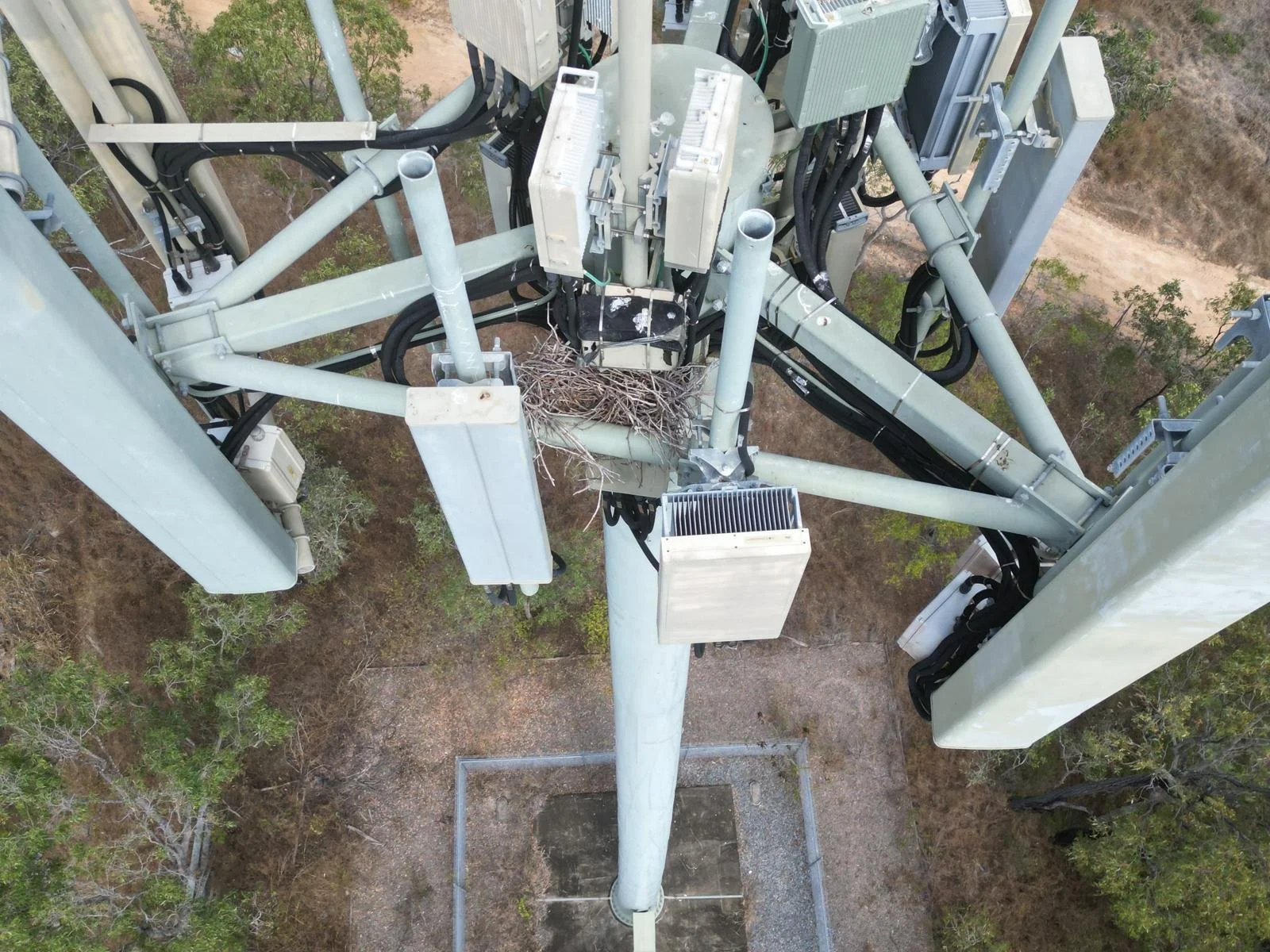
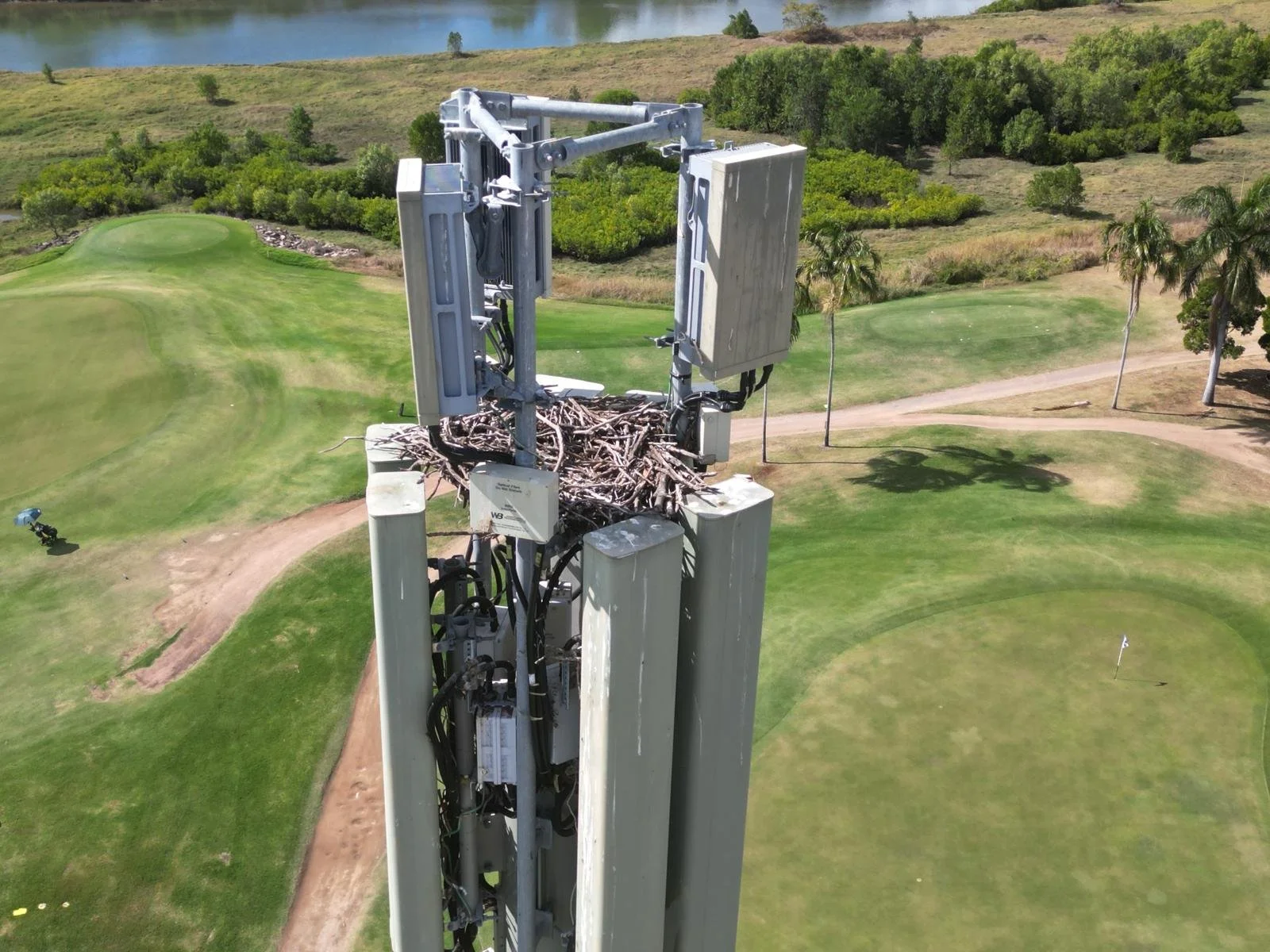
Trend Environmental can assist you with applying for an SMP so you can undertake maintenance works where bird nests are present. We offer a drone service, which allows us to identify the species nesting, which then determines whether a high or low risk SMP is required.
Low-risk SMPs apply to breeding places of species listed as least concern under the Nature Conservation Act 1992 (Queensland) and generally involve a relatively simple application process. High-risk SMPs apply to breeding places of threatened species, special least concern species and colonial breeders and require a more detailed assessment and management approach.
A high-risk SMP requires preparation of a detailed impact management plan that identifies the potential impacts of tampering with the breeding place and specifies appropriate avoidance, mitigation and management measures. The plan should be prepared by an ecologist with relevant experience and expertise in the species whose breeding place is proposed to be tampered with.
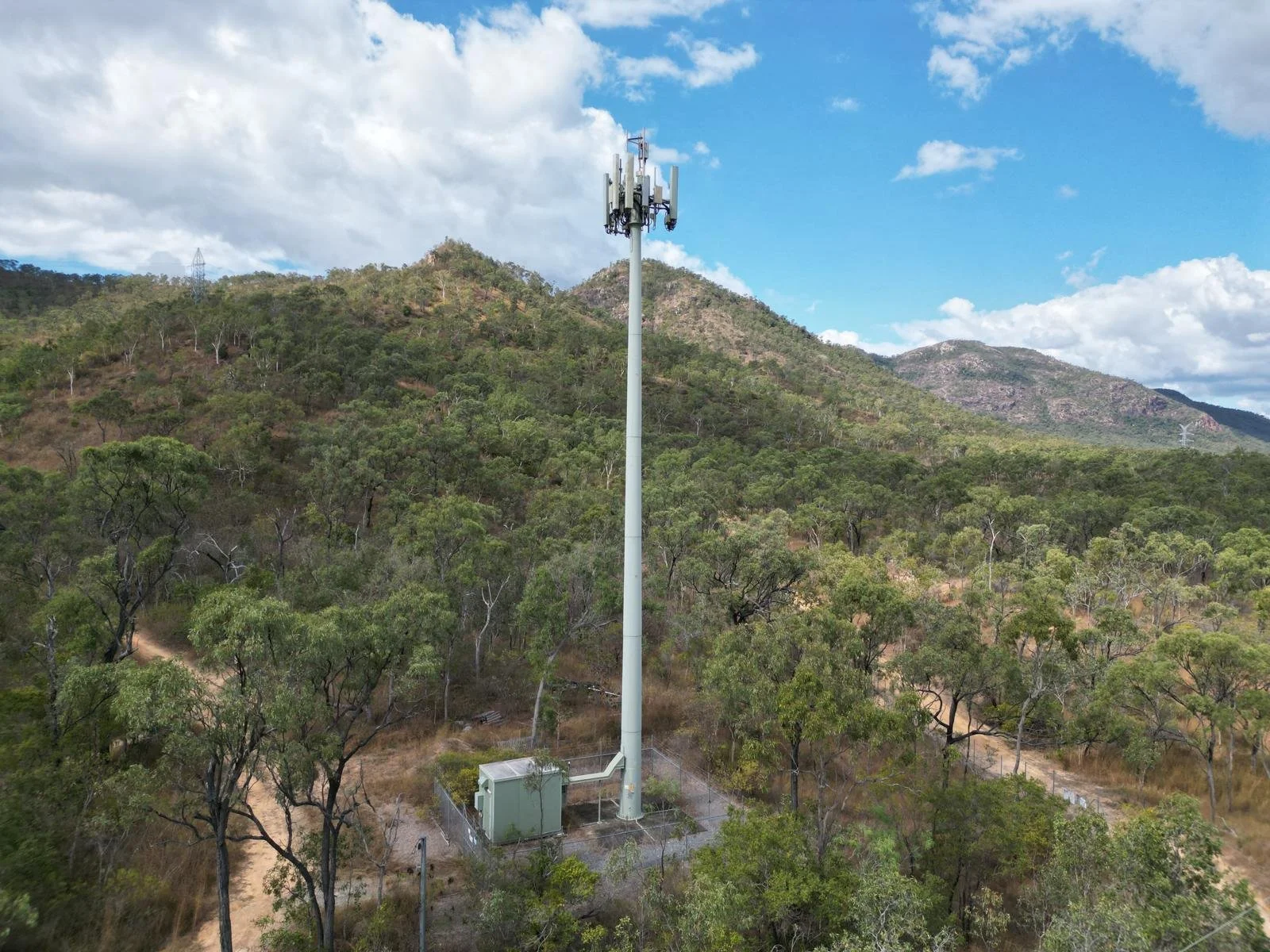
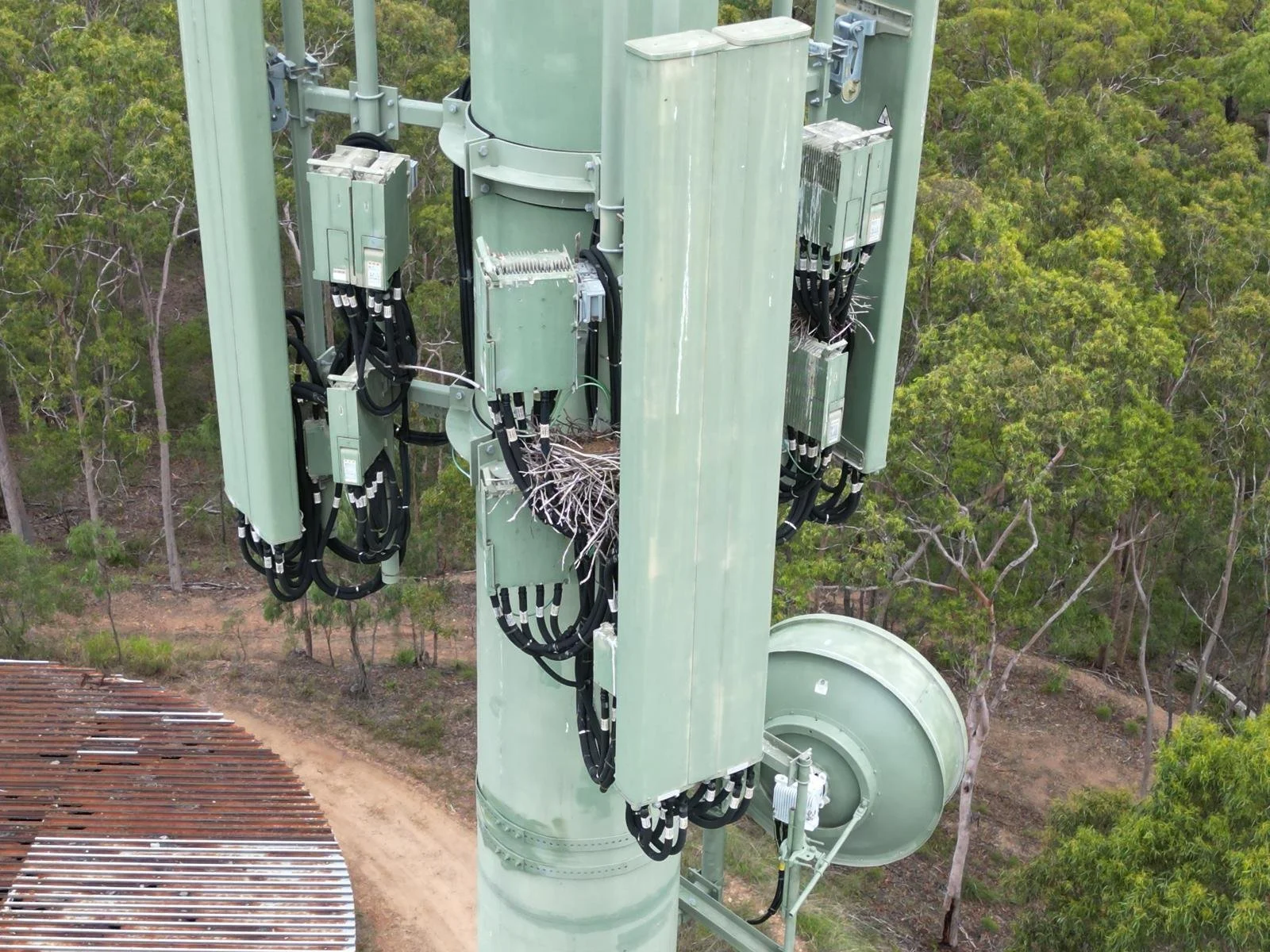
Trend Environmental can assist throughout the SMP process, from undertaking the required drone surveys through to preparing and submitting the SMP application and, where required, developing the impact management plan for high-risk SMPs. By managing the process from survey through to approval, we can help ensure the appropriate information is collected and submitted from the outset, reducing unnecessary regulatory delays and obstacles. Trend Environmental can also assist with the ongoing registers, monitoring and reporting requirements where breeding animals are present within maintenance areas.
Nesting birds shouldn't bring essential infrastructure to a standstill. We want to help you navigate the SMP process, protect breeding wildlife, and keep necessary tower maintenance moving.
Contact us today.